
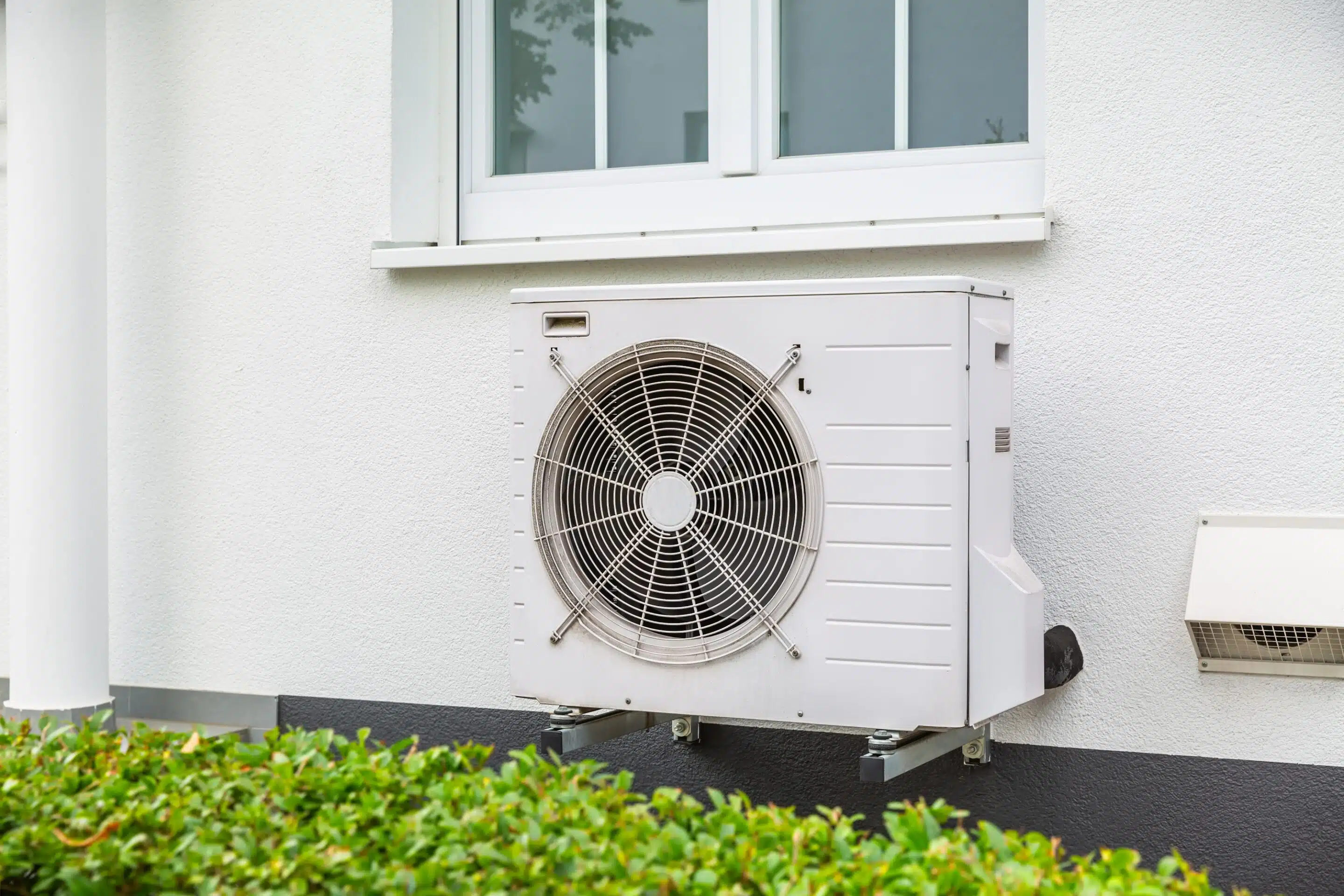
When the heat pump in your Charleston home smells, it can significantly impact your overall comfort. From musty odors to the scent of chemicals, this reduced indoor air quality can be both irritating and potentially harmful to your health. Luckily, many heat pump smells can be easily fixed.
In this article, the professionals at Carolina Custom Air discuss common heat pump odors, their potential causes, and how to troubleshoot the issue.
Common Odors From Heat Pumps & What They Mean
While some scent from your heating isn’t unusual, the smell from your system should never be obvious or overpowering. Some of the most common heat pump odor causes include:
- Musty or moldy smells: A damp smell from your heat pump could indicate mold or mildew in the evaporator coil, ductwork, or filters. These mold spores are then distributed throughout your home, leading to serious health risks.
- Burning or electrical smells: A smoky smell is normal when you first turn on your heat for the year, as built-up dust on heating components burns. However, if this persists, it could be due to overheated electrical components or a failing motor.
- Sewage or sulfur smells: The smell of rotten eggs can be caused by a dry condensate drain line in your heat pump or blockages that allow organic buildup. These clogs can produce bacterial growth that emit odors that then spread throughout your home.
- Chemical smells: A sweet or sharp chemical-like odor is often the result of a refrigerant leak or overheated internal components. This requires prompt response, as both lead to serious hazards.
Troubleshooting a Smelly Heat Pump
Not all HVAC smells in your home require AC repair or heating repair. Some can be solved by simple maintenance tasks from homeowners, including:
- Replacing air filters, even if they don’t look dirty.
- Inspecting the condensate drain line for standing water, algae buildup, or leaks.
- Checking for blocked or closed supply and return vents.
- Pouring a 50/50 mix of vinegar and warm water down the heat pump drain.
- Running the system in fan-only mode for 30-60 minutes.
- Scheduling professional heat pump maintenance twice a year.
When To Call a Professional
For more significant heat pump problems in Charleston, SC, it may be time to call a professional. It is best and safest to rely on a certified HVAC technician if your heat pump has visible mold, frequently trips the breaker, has a sudden drop in performance, or if you suspect a refrigerant leak. Trained professionals are able to handle these problems along with the hazards they present to carefully restore heat without putting your home or family in danger.
Schedule Heat Pump Repairs Today
If lingering odors or persistent problems are plaguing your Charleston home, contact the team at Carolina Custom Air. Since 2007, we’ve proudly served the area with quality care from a highly-trained team to ensure top-tier service with every job. Get the personalized service you deserve from our local family-owned and -operated business today.
Schedule heat pump service with Carolina Custom Air today by calling our team.